How to Start a Faceless YouTube Channel in 2026 (No Camera Needed)
 AudienconFounder, Viibeo
Free first short · watermarked · pick a look after signup
In short
You do not need to appear on camera to grow a YouTube channel. Story videos, text animations, voiceover explainers, and AI-assisted visuals already earn watch time without a face. This guide covers niche selection, a lean tool stack, examples of faceless formats that retain viewers, and how monetization usually works once the audience exists.
- Audience preference for value. Many viewers prefer information-first content over personality performance.
- A common mistake is picking a niche that's too broad or too competitive.
- Computer: Any modern laptop or desktop. Nothing fancy.
- You don't need to take my word for it.
- Ad revenue (YouTube Partner Program): Through 31 January 2027, full ads/Premium still uses 1,000 subscribers plus 4,000 watch hours or 10 million Shorts views.
You do not need to appear on camera to grow a YouTube channel. Story videos, text animations, voiceover explainers, and AI-assisted visuals already earn watch time without a face.
This guide covers niche selection, a lean tool stack, examples of faceless formats that retain viewers, and how monetization usually works once the audience exists.
Why Faceless Content Works in 2026
Three trends make faceless channels practical right now:
Audience preference for value. Many viewers prefer information-first content over personality performance. Faceless formats put the topic first. That trust is harder to build when someone's face is the product.
AI tools have matured. You can generate videos with professional voiceovers, dynamic text, and usable visuals without recording a frame. Tools like Viibeo handle production so you can focus on strategy and scripts.
The algorithm doesn't care about your face. YouTube's recommendation system cares about watch time, retention, and engagement. If your faceless video keeps people watching, it gets promoted. Some faceless channels have reached millions of subscribers with zero on-camera presence.
15 Faceless Content Niches That Are Growing Right Now
A common mistake is picking a niche that's too broad or too competitive. Stronger starting points:
-
Personal Finance: Money tips, investing explainers, budget breakdowns. These topics often draw high search and watch interest.
-
True Crime & Mystery: Unsolved cases, missing persons, and historical mysteries. High retention, loyal audiences, easy to produce with narration + visuals.
-
Motivational & Self-Improvement: Goal-setting frameworks, morning routines, productivity systems. Evergreen content that can perform year after year.
-
History & Documentary: Historical events, forgotten stories, "what if" scenarios. Strong watch time when storytelling is tight.
-
Tech & Product Reviews: Unboxing, app reviews, gadget comparisons. Viewers often trust faceless reviewers who focus on features.
-
Science & Explainers: How things work, space, psychology concepts. Clear explainers tend to get shared.
-
Book Summaries: Non-fiction breakdowns in 10-15 minutes. Publishers sometimes reach out to creators who summarize well.
-
Coding & Developer Tutorials: Programming tutorials, tool comparisons, career advice for developers. Tech YouTube remains large.
-
Fitness & Health Tips: Home workouts, nutrition advice, recovery strategies. Visual demos work without a face.
-
Business Case Studies: How companies grew, startup stories, marketing breakdowns. Higher CPM, professional audience.
-
Horror & creepypasta: Horror story narration, creepy historical events, paranormal deep dives. Loyal subscriber base.
-
ASMR & Ambient: Sleep sounds, relaxing visuals, ambient storytelling. Strong watch-time potential.
-
Compilation & Curation: "Top 10 moments," "Best of" collections in specific niches. Lower production effort, steadier views.
-
News & Commentary: Current events explainers, industry news. Faceless news formats are growing, but accuracy and speed matter.
-
Gaming & Esports: Gameplay compilations, esports highlights, game reviews. No face needed, large audience.
How to pick your niche: Choose something you can talk about for 100 videos without running out of ideas. If you're excited about the topic, that energy comes through in the script. If you're bored after video three, the audience will feel it.
What Equipment and Tools Do You Need?
You don't need a lot. Minimum viable setup:
Computer: Any modern laptop or desktop. Nothing fancy. You need enough power to run video editing software and AI generation tools, but you don't need a $3,000 machine.
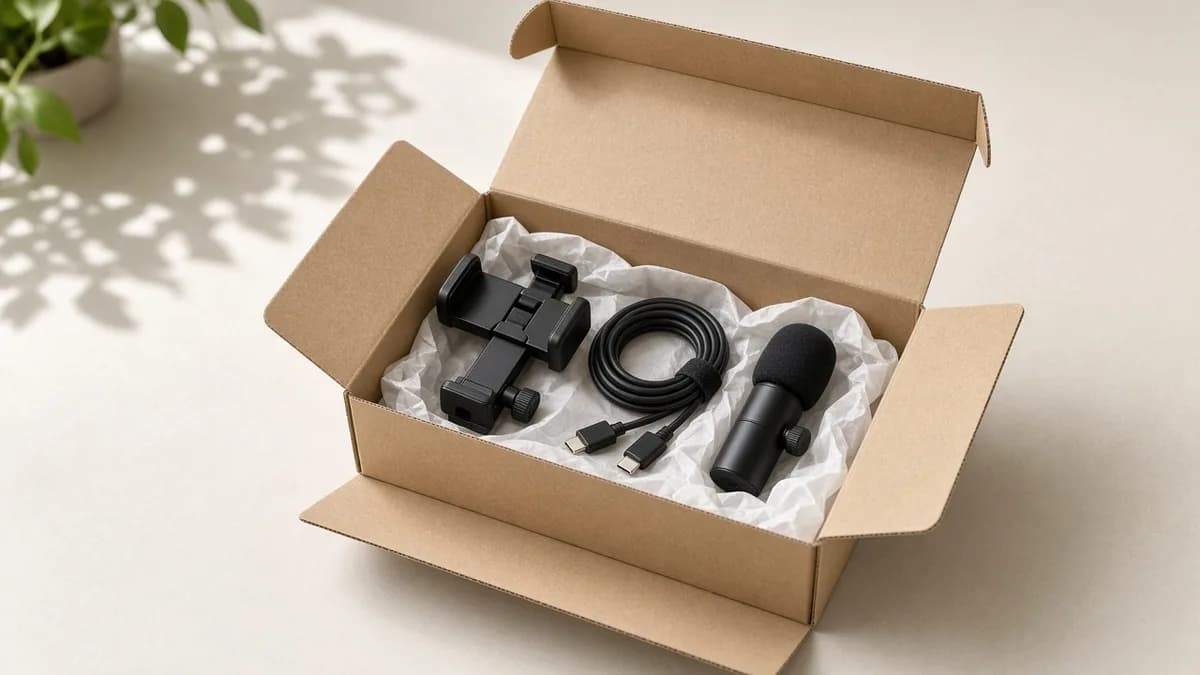
Microphone (optional): If you want to record your own voice, a $50-$100 USB condenser mic is plenty. You don't even need this; AI voiceovers from tools like Viibeo can sound professional out of the box.
Video editing software: Capcut, DaVinci Resolve, or Final Cut Pro. Pick one and learn it well. You don't need to be an expert; you need to be competent.
AI content tools: Platforms like Viibeo generate shorts from a prompt (voiceover, visuals, captions, and timing in one pass), so production can drop from hours to minutes for many formats. For YouTube Shorts, Autopilot can publish on Starter+ after you connect YouTube, or you can export the file and upload in YouTube Studio.
Stock footage subscriptions: Pexels and Pixabay offer free stock video. For higher-quality options, Storyblocks or Pond5 work well. Many faceless creators use entirely free resources.
Script management: Notion, Google Docs, or any notes app. Organization matters more than tools.
That's it. Total startup cost: $0-$200 depending on how much you want to invest.
Real Faceless Channels That Are Winning
You don't need to take my word for it. Here are channels doing this successfully (named for editorial reference, not endorsement):
- The Infographics Show: Text animation + narration on trending topics, 20M+ subscribers
- Kurzgesagt: Animation + voiceover on science and philosophy, 20M+ subscribers
- Cold Fusion: Narration-driven business and tech explainers, 3M+ subscribers
- Bright Side: Animated informational content, 40M+ subscribers
- TED-Ed: Educational animations with narration only
- Two Minute Papers: Science and tech explainers using screen recordings and visuals
- Watch This Space: Space and science content using visual storytelling
- Goalcast: Motivation and self-improvement using compiled visuals and voiceover
None of these channels rely on the creator's face. They rely on consistent value delivery, clean production, and niche focus.
Your face was never the advantage. Ideas, systems, and solving a problem for an audience are what build a channel.
How Do Faceless Channels Make Money?
Monetization works the same for faceless channels as for any YouTube channel:
Ad revenue (YouTube Partner Program): Through 31 January 2027, full ads/Premium still uses 1,000 subscribers plus 4,000 watch hours or 10 million Shorts views. From 1 February 2027, new applicants need 8,000 hours or 20 million Shorts views. Details: YouTube monetization requirements 2027. Faceless channels in finance, business, and tech often see roughly $2-$15 CPMs. Treat any dollar range as illustrative, not a promise.
Sponsorships and brand deals: Brands care about audience size and engagement, not whether you show your face. Rates often land around $500-$5,000 per branded integration depending on subscriber count and niche.
Affiliate marketing: Include affiliate links in your video description. For review or tutorial content, this adds 10-30% to your revenue on top of ad revenue.
Merchandise: Once you have a loyal audience, selling branded products (shirts, mugs, digital products) scales without requiring more face time.
Course and digital product creation: If your niche is teachable (coding, finance, fitness), your audience already trusts you to educate them. A course or template product can add recurring revenue.
Patreon or memberships: Many faceless channels build Patreon communities around exclusive content, early access, or community access. This provides recurring revenue independent of ad fluctuations.
The key: don't think of monetization as something you figure out later. Build your content strategy with monetization in mind from the start. Finance tutorials, business case studies, and educational content all naturally support higher CPMs and sponsorship rates than entertainment or vlogging content.
How to Get Started (Step by Step)
A practical 30-day launch plan:
Days 1-7: Pick your niche and research competitors. Choose one niche from the list above. Find 5-10 YouTube channels in that space. Watch their top 10 videos. Note what works, what the titles look like, how long their videos are, and what hooks they use.
Days 8-14: Set up your tools. Create your YouTube channel, set up your branding (logo, banner, channel name), and test your production workflow. If using Viibeo, generate 5 test videos to see what the output looks like. Experiment with different visual styles.
Days 15-21: Write and produce your first 10 videos. Batch create your content. Write scripts for 10 videos, then produce them in one or two focused sessions. Don't publish yet; build a backlog.
Days 22-28: Optimize and publish. Write strong titles, custom thumbnails (you can use tools like Canva or hire on Fiverr), and descriptions. Publish your first 3-5 videos spaced out over the week.
Days 29-30: Analyze and iterate. Check your analytics. What got the most views? What had the best retention? Double down on what works.
Common Mistakes to Avoid
Starting too broad. "I'll make videos about interesting topics" never works. Pick a specific niche and own it.
Chasing trends too hard. Trends drive views, but they don't build sustainable channels. Balance trending topics with evergreen content.
Ignoring audio quality. Viewers will forgive mediocre visuals, but bad audio kills retention immediately. Invest in a decent voiceover or AI voice that sounds clean.
Inconsistent posting. The algorithm rewards consistency. Start with a realistic schedule (1-2 videos per week) and build from there.
Comparing yourself to established channels. A new faceless channel won't look like a professional studio overnight. Focus on improvement, not perfection.
Next steps
You don't need a face, expensive equipment, or on-camera confidence to start.
You need a niche, a consistent workflow, and content that solves problems for your audience.
If you want a shorter production loop, Viibeo can generate faceless shorts from a prompt. Autopilot can publish to YouTube Shorts, TikTok, and Instagram once connected on Starter+. MP4 export remains available anytime.
Keep reading
- Grow a faceless YouTube channel with AI: next steps after launch.
- Faceless YouTube channel ideas: profitable niche shortlist.
- How to choose the right AI voice: retention after the niche pick.
- Free: YouTube Shorts script generator · Faceless scripts · Pricing
Frequently Asked Questions
Do faceless YouTube channels make less money?
No. Monetization depends on niche, watch time, and audience size, not whether you show your face. Finance, business, and tech niches often perform well with faceless content because the focus stays on the value.
What type of YouTube channel is best for faceless content?
Niches that rely on information delivery over personality: finance, education, tutorials, true crime, history, tech reviews, and business case studies. These topics benefit from clear presentation.
Do I need a microphone for faceless YouTube?
Not necessarily. AI voiceovers from tools like Viibeo sound professional and eliminate the need for recording equipment. If you want to record your own voice, a $50-$100 USB mic is sufficient.
How long does it take to grow a faceless YouTube channel?
Most successful faceless channels see meaningful traction (10K+ subscribers) within 6-12 months of consistent posting. Growth depends on niche competitiveness, posting frequency, and content quality.
Can faceless content go viral?
Yes. Faceless videos can reach high view counts. The algorithm rewards watch time and engagement, both of which faceless content can deliver as well as face-forward content.
Written by

Audiencon
@audienconFounder of Viibeo
Builds Viibeo and writes this journal from the product: faceless shorts with script, voice, captions, and auto-post.